The hardest part of a medical alert system is not choosing it — it's the conversation. A caregiver's guide to raising it without a fight, choosing together, and building the habit that keeps it on.
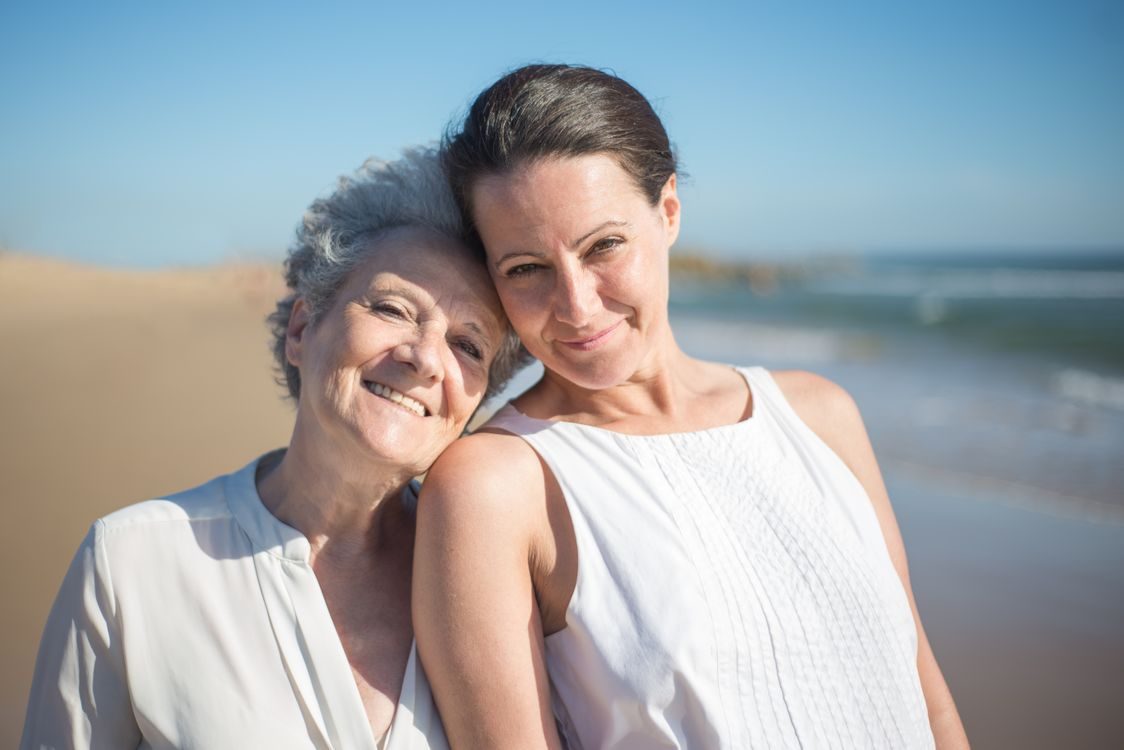
I care for my 93-year-old mother every day, and I can tell you the thing nobody puts in the brochures: when a parent refuses a medical alert, they are almost never refusing a plastic button. They are refusing what it announces — to visitors, to neighbours, to themselves. Every successful conversation I know about started by respecting that.
Start with your worry, not their risk. "You might fall" argues about their body, and they will win that argument or end the conversation. "I lie awake some nights, and this would help me sleep" argues about your feelings, which are not really arguable. It also has the virtue of being true for most of us. Pick a calm moment — not the week of a hospital discharge, not in front of grandchildren — and be ready for the first conversation to end without a decision. Planting the idea is a legitimate outcome for round one.
Then make it a choice, not a sentence. The wearer picks the form: pendant, wristband, or a watch that just looks like a watch — for many parents the watch route dissolves the whole stigma problem, because nobody at the store sees a medical device. The wearer picks who is on the call list and in what order. The wearer makes the first test call. Each small ownership makes the device theirs, and people wear what is theirs. If cost comes up as the shield — "too expensive, don't waste money on me" — the real totals help: less than a dollar a day for the cheapest monitored plans, and a one-time purchase for the no-fee devices.
A fall that ends well — shaken, bruised, home the same day — is the moment this conversation gets easier, because the hypothetical is gone. Use it gently. Get the fall itself checked and mentioned to their doctor. Walk the spot together and fix the lighting, the cord, the rug. Then raise the device as the answer to a shared problem — "neither of us wants the next one to go differently" — rather than as proof you were right all along. Nobody wears a told-you-so around their neck.
Same day each month. The wearer presses the button, tells the operator it is a test, confirms the address and call list out loud. One minute, and it quietly rehearses the real thing.
Attach charging to an existing habit — the cradle beside the bed, the counter where the kettle lives. Devices with multi-day or swappable batteries forgive more; see the battery comparison.
Do not force a win in one conversation. Refusals are usually about what the device means — frailty, being watched, the end of independence — not the device itself. Leave the information, drop the subject, and let a smaller step land first: many parents who reject a pendant accept a watch, and many who reject it for themselves accept it as a favour to you. If they still refuse after a calm second conversation, that is their right; your job is to make sure the refusal is informed, not to override it.
It rarely works. A device that arrives as a verdict gets worn like one — briefly. The wearers who keep devices on are the ones who picked the colour, chose pendant or watch, and made the first test call themselves. Shopping together takes an extra week and buys years of wear time.
Caregiver apps can show family the wearer's location, and that feature deserves its own honest sentence: I would like to be able to see you got home, and here is exactly who else can see it. Agreed openly, tracking reads as care. Discovered later, it reads as surveillance, and it can end the wearing entirely. Some families switch location sharing on only for outings — most apps allow the conversation to stay proportionate.
Three things, in order. First, the medical part: get any injury checked, and mention the fall at the next doctor's visit even if there was no injury — falls are information. Second, the house part: walk the spot where it happened and fix what contributed, lighting, cords, rugs. Third, the device part: a fall with a good outcome is the easiest moment to raise a medical alert, because nobody has to imagine the scenario anymore. Frame it around the next fall, not the last one.
Make two rituals. A monthly test call, on a fixed day, done together by phone or in person — it checks the device, the address on file, and the wearer's confidence in one minute. And a charging ritual tied to something that already happens: the pendant lives in its cradle beside the bed, or charges during Sunday dinner. Habits attached to habits survive; habits attached to willpower do not.